D
Danielle
Guest
- Thread Author
- #1
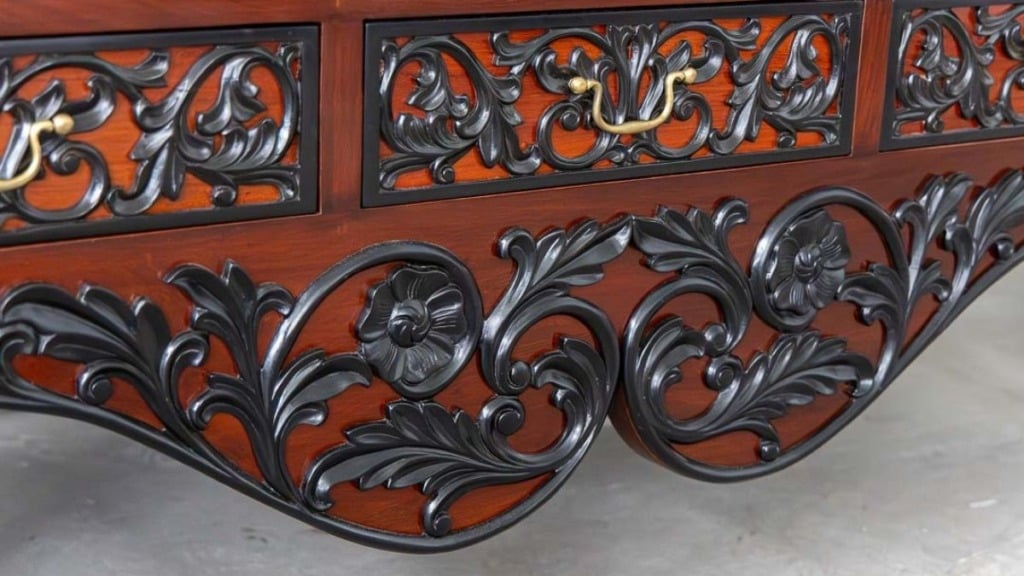
WHY HARDWOOD WAS CHOSEN FOR COLONIAL FURNITURE
The furniture that came out of colonial India in the 18th and 19th centuries was made from very specific types of hardwood. Chosen deliberately for their properties, their provenance and their ability to perform in conditions that would damage lesser materials. Understanding those choices tells you a great deal about the pieces themselves and why they have survived as long as they have.
Indian craftsmen already knew their timber. They understood which hardwood could withstand tropical humidity, extreme heat and the demands of furniture that often needed to travel long distances. When European settlers arrived with their own furniture traditions and requirements, what followed was a meeting of two bodies of knowledge. The results, in rosewood furniture, teak furniture, mahogany furniture and ebony furniture, represent some of the finest hardwood craftsmanship of the period.
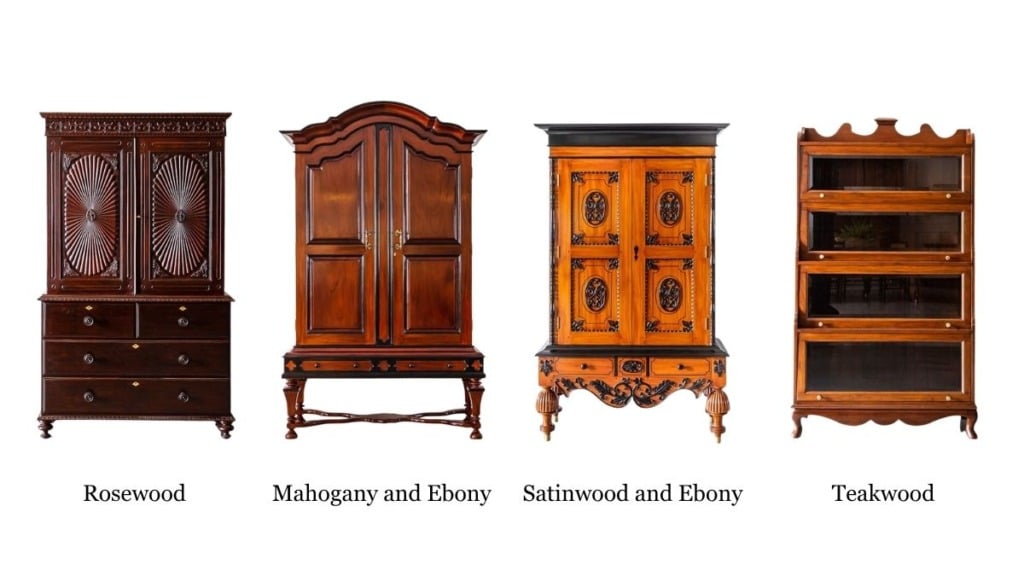
The following image shows a selection of wood that was used for the production of antique colonial furniture in India during the 18th and 19th century.
The following image shows a selection of wood that was used for the production of antique colonial furniture in India during the 18th and 19th century.
Rosewood — traded across continents
Indian rosewood, known botanically as Dalbergia Latifolia, is historically one of the principal rosewoods of commerce. It was traded alongside Brazilian rosewood for centuries, valued across cultures and continents long before it became the defining hardwood of colonial furniture in India.
The wood is a very dark brown with an almost black wavy grain. Its name comes from the scent released when the timber is cut. Dense, stable and extraordinarily workable, it was used for inlaid decoration and veneer before becoming the wood of choice for solid rosewood furniture from the early 19th century onwards.
Rosewood furniture from this period carries a depth of colour and grain that restoration brings fully back to life. The quality of the timber is what endures. A century of use does not diminish it and careful restoration reveals exactly why it was chosen in the first place. View our collection of Rosewood Furniture.
Teak — built for the tropics
Teak is the hardwood that perhaps best withstands its environment. Strong, durable and naturally water resistant, teak furniture was built for just about anything a climate could throw its way. The timber does not splinter easily, holds hardware well and has a warm colour and attractive grain that rewards careful restoration.
Teak furniture was used extensively across colonial India precisely because the timber was suited to the demands placed on it. Chests that needed to survive long sea voyages, campaign furniture designed to be dismantled and reassembled repeatedly, storage pieces that had to perform in high humidity without warping or splitting. Teak handled all of it.
It remains one of the most practical types of hardwood for Singapore homes today for exactly the same reasons. A piece of teak furniture from the 19th century, properly restored, will continue to perform in a tropical climate for another century without difficulty. View our collection of Teakwood Furniture.
Mahogany — the cabinet maker's hardwood
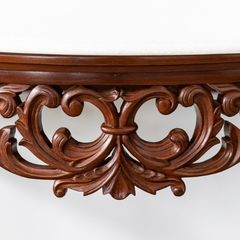
Mahogany has been used for furniture since around 1730, originally imported from the West Indies, the islands of the Caribbean including Jamaica and Cuba, before becoming established across colonial furniture traditions in India. It is a reddish-brown hardwood that seasons quickly, resists warping and splitting and is seldom attacked by woodworm.
What made mahogany furniture so significant was its workability. It could be obtained in large enough pieces to make wide table tops without joining, which had not been possible with most other timbers. It took a smooth finish exceptionally well and was excellent for carving, which made it the preferred choice for more elaborate colonial pieces.
Mahogany furniture from this period often carries a refinement of detail that reflects both the quality of the material and the skill of the craftsmen who worked it. The combination proved enduring. Once mahogany became established as the principal timber in cabinet making, it remained so for over a century. View our collection of Mahogany furniture.
Satinwood - the glamour hardwood
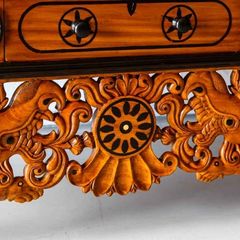
Satinwood was the most beautiful and highly valued exotic hardwood used in the latter part of the 18th century and is perhaps the most widely known of decorative timbers. It is a highly figured, close-grained, hard, durable wood native to Ceylon and the East Indies. It is light yellow to golden brown in color with a lustrous satin-like quality and has an excellent finish. One other characteristic of satinwood is its aroma. When cut and worked it smells like coconut oil. As an expensive timber, satinwood furniture was reserved for special pieces mainly for wealthy clients. It was frequently used in combination with ebony. View our collection of Satinwood Furniture.
Ebony —the aristocrat of hardwood
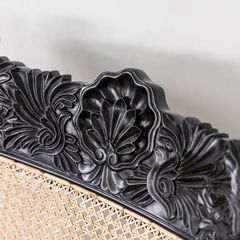
No hardwood carries quite the same history as ebony. Native to southern India and Sri Lanka, it is a black wood of very close grain and exceptional weight, prized for its density and the quality of finish it achieves after polishing. Ebony furniture has always commanded a premium and its cultural significance reflects that.
In 17th century France, the word for cabinet maker, ébéniste, derives directly from ebony. The wood was so valued that lesser pieces were routinely ebonised, painted black to imitate the appearance of genuine ebony furniture. That practice tells you everything about the status the timber held.
Ebony was used most often in combination with a lighter hardwood, satinwood in particular, where the contrast between the two created a visual effect that became characteristic of certain colonial furniture traditions. Its density makes it one of the most demanding hardwoods to work but the results, when done well, are unmistakable.
To understand more about ebony's history and why it remains one of the most sought-after hardwoods in colonial furniture, read our full guide to ebony here.
WHAT THE TIMBER TELLS YOU ABOUT THE PIECE
When you are looking at a piece of colonial furniture, the choice of hardwood is not incidental. It reflects where the piece was made, who made it, what it was made for and the level of skill and resource that went into it. Rosewood furniture signals a certain ambition. Teak furniture signals practicality and longevity. Mahogany furniture signals craftsmanship and refinement. Satinwood furniture signals elegance. Ebony furniture signals rarity and status.
At The Past Perfect Collection, every piece in the showroom is assessed in part through its timber. The hardwood tells part of the story. The construction, the patina and the restoration tell the rest.
If you would like to see the collection in person, we are open Tuesday to Saturday from 11am and Sunday from 1pm at 100 Pasir Panjang Road. You are also welcome to join The Collector's Circle to hear about new arrivals first.
The post The Hardwoods Behind Colonial Furniture appeared first on The Past Perfect Collection.