
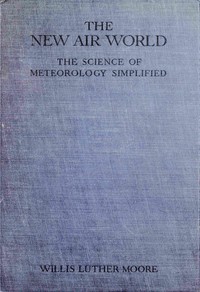
The new air world : The science of meteorology simplified by Willis L. Moore
I picked up 'The New Air World' expecting a dusty old science manual. What I found was a time capsule and a surprisingly passionate argument. Willis L. Moore wasn't just writing a book; he was evangelizing for a brand-new field of study. He takes you by the hand and walks you through the basics of what we now call meteorology, breaking down complex ideas about air pressure, wind patterns, and storm formation into language anyone can grasp.
The Story
There isn't a traditional plot with characters. Instead, the 'story' is the unfolding discovery of our atmosphere. Moore starts with the simple tools—the thermometer, the barometer, the weather vane—and explains what their readings truly mean. He then builds on that, showing how data from stations across the country gets woven together to create a picture of national weather. He walks you through different cloud types, explains what causes fog and dew, and demystifies the formation of thunderstorms and tornadoes. The narrative drive comes from his excitement. You're following the logical trail of a detective who's just cracked a huge case, and the case is the sky above us.
Why You Should Read It
This book is a joy because of its perspective. Reading Moore's confident explanations of weather principles we take for granted today is humbling. He’s writing at the dawn of modern forecasting, when sending a weather telegram was high-tech. His enthusiasm is contagious. You feel his frustration with public skepticism and his triumph in explaining a complex concept simply. It’s also a stark reminder of how far we've come. His chapter on 'weather influences' on health feels quaint now, but his core message—that understanding our environment empowers us—is timeless. It made me appreciate the daily weather report in a whole new way.
Final Verdict
This isn't for someone looking for a modern, data-heavy science book. It's perfect for curious minds who love history, science, or just a good story about human ingenuity. If you're a fan of shows that explain how everyday things work, or if you’ve ever stared at a weather map and wondered how it all began, you'll find 'The New Air World' absolutely fascinating. It’s the passionate foundation stone of everything we know about forecasting today.
This content is free to share and distribute. Share knowledge freely with the world.
Linda Rodriguez
6 months agoI took detailed notes while reading through the chapters and the step-by-step breakdown of the methodology is extremely helpful for students. Well worth the time invested in reading it.
Edward Taylor
1 year agoIf you enjoy this genre, the character development leaves a lasting impact. Worth every second.
Richard Ramirez
3 months agoHonestly, the arguments are well-supported by credible references. Exactly what I needed.
Thomas Allen
1 year agoTo be perfectly clear, the flow of the text seems very fluid. One of the best books I've read this year.








Kimberly Miller
4 months agoI was skeptical about the depth of this book at first, but the clarity of the writing makes even the most dense sections readable. This adds significant depth to my understanding of the field.